Abstract
I worked for 2.5 years as a research/UX designer with Srishti School of Art, Design and technology in India in collaboration with MIT Media Lab and Nokia.
Project vision is a design and research initiative which is looking at the development of appropriate instructional strategies and technology-related tools that foster integrative thinking, greater mind-body unity and pedagogies that facilitate leapfrogging in young children from both elite and urban poor communities.
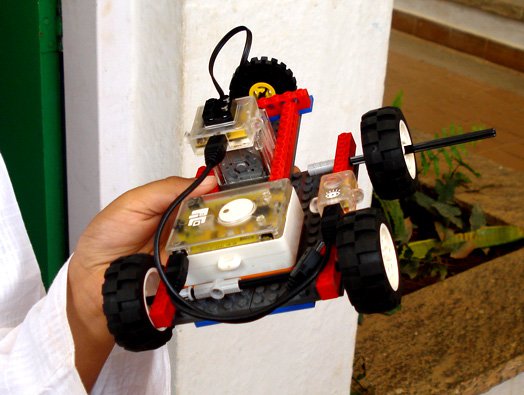
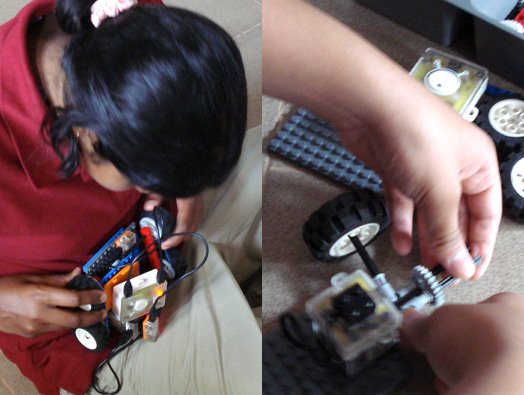
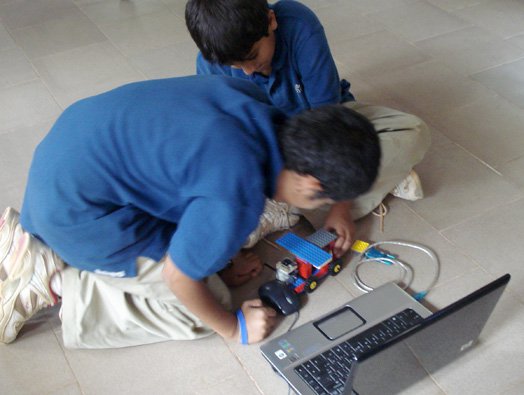
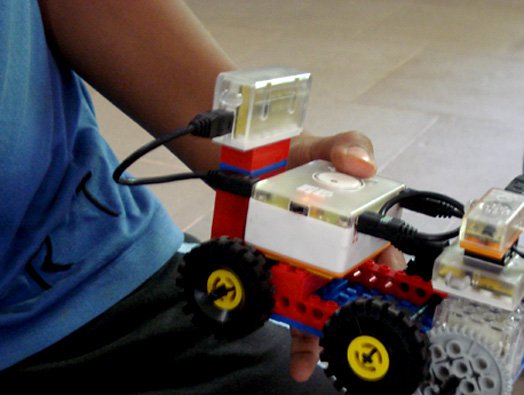
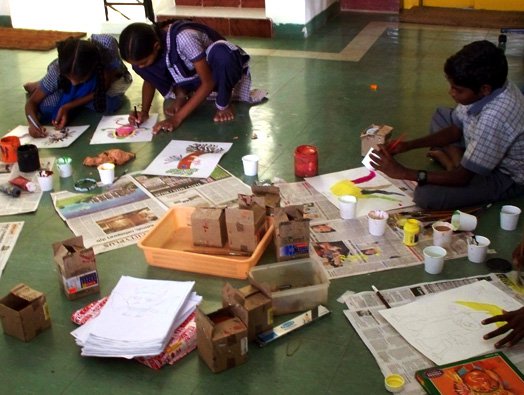
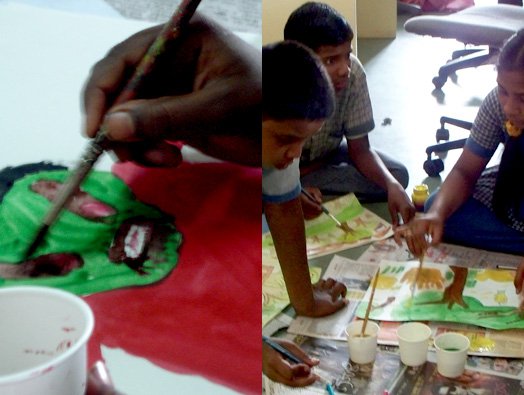
As a designer I ran workshops with children from various economic backgrounds using tools such as Scratch, lego mindstorms, storytelling, paper crafts and mobile phones. We presented our results at the MIT Scratch conference, Microsoft in Seattle and also at Nokia in Bangalore. This project helped the urban poor children to develop their skills and learn through non-traditional methods, emphasizing on learning through play, meditation and design.
Concept design
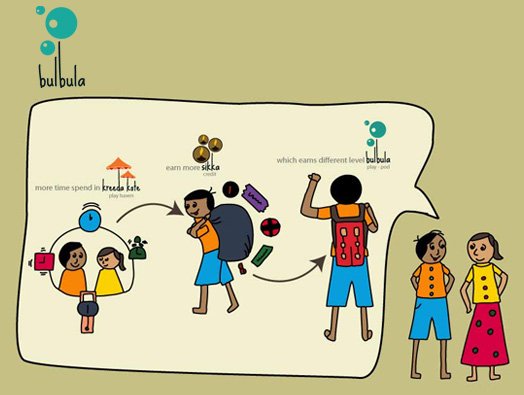
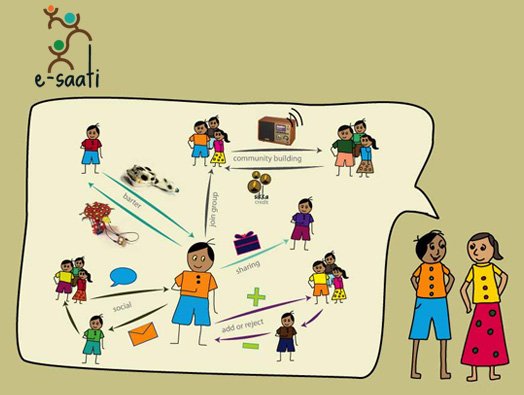
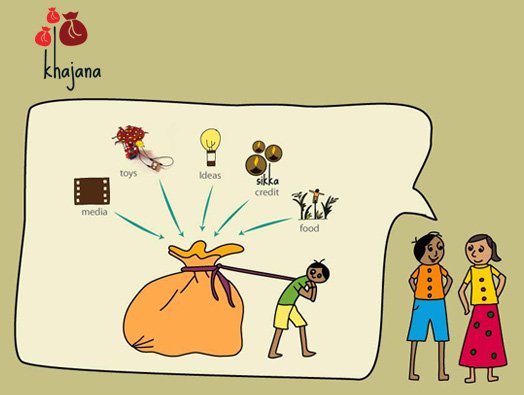
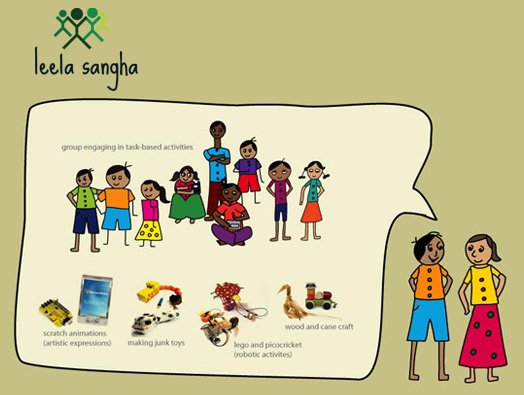
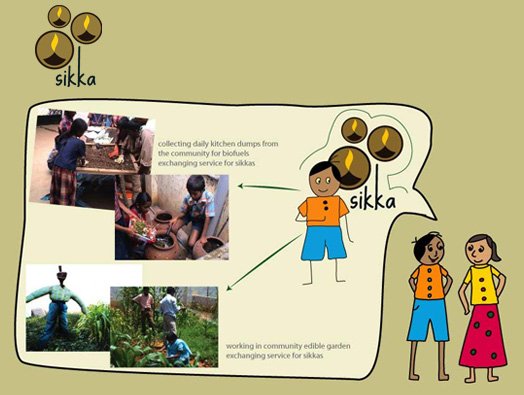
Aata Paata Horaata brands were individually conceptualized and modelled into a system design. Each of these systems and concepts are diagrammatically explained. The concepts are still being tested out in various workshops on a regular basis with the children from Drishya as well as the Mallya Aditi International School, Bangalore, India.
The illustration for all the concepts were visualised and created by me.
Scratch Borneo
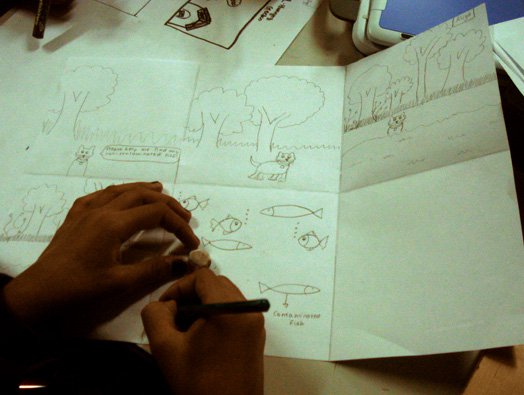
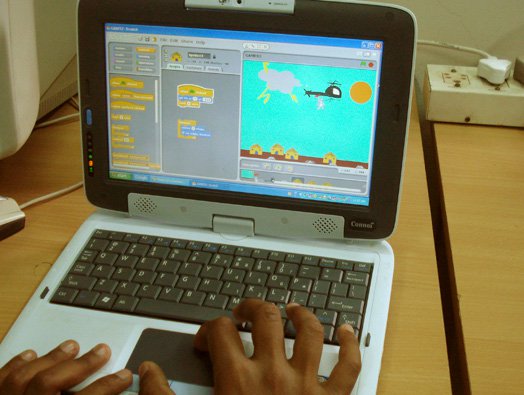
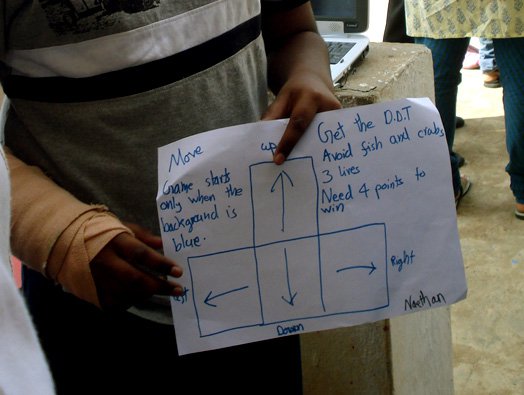
The Borneo Project with Std.6 from Mallya Aditi International School. Using the book: The Day They Parachuted Cats on Borneo: A Drama of Ecology by Charlotte Pomerantz, as a basis to examining interdependence and food-webs, the children creatively reinterpreted the Borneo-story in the form of a game-story.
The final results may be viewed here: www.scratch.mit.edu/galleries/view/67284
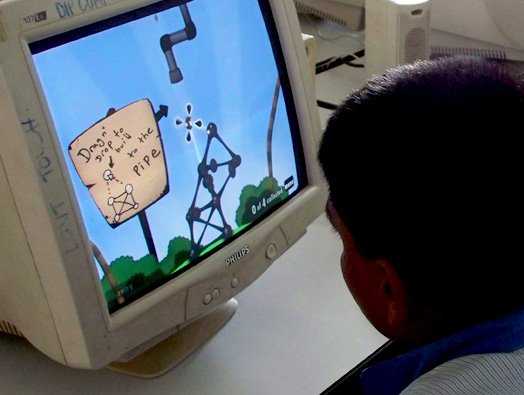
The process involved games and role-play leading to the defining of characters and storylines, which were then adapted into short Scratch programmes. The children also analysed games, narration and game-logic through the process.
The children used Scratch (designed and developed by MIT, Boston) to programme the games.
Scratch Kadina Loka
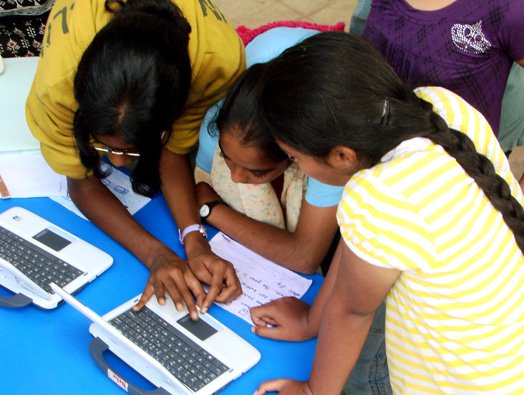
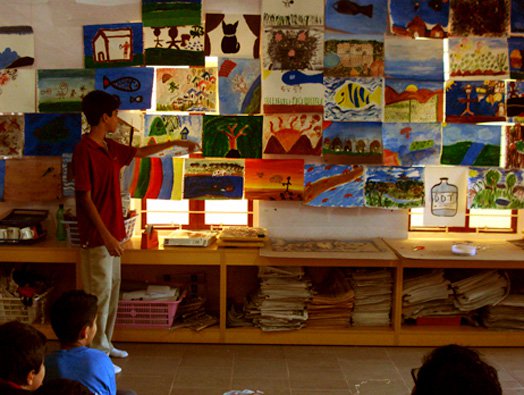
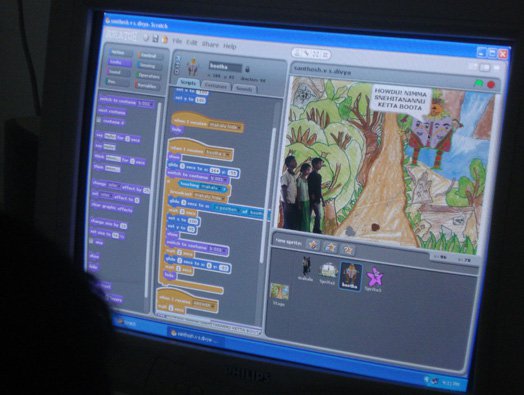
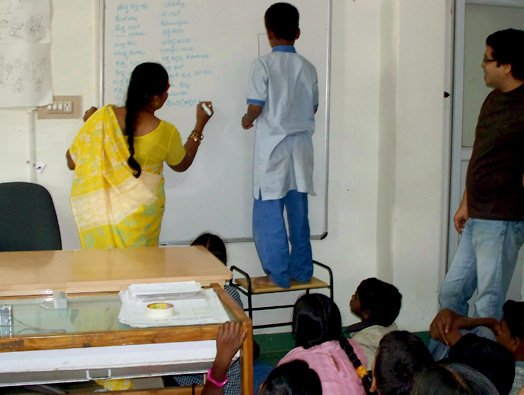
Kadina-Loka, a ten-day summercamp with children from urban slums; conceptualised around games in Scratch and the fantasy of a haunted forest-world. The children went through a process that taught them to programme games through art. They conceptualised the story-lines, developed characters, edited images, programmed and finally shared their creations online at www.scratch.mit.edu/galleries/view/50414
The camp brought to them essential basics of imaginative story-telling, game-strategy and programming logic. The workshop-process and the artistic interventions were conceptualised and driven by me.
Play research
Designed and proposed Aata Paata Horaata (play, learn & revolutionize). APH is a system comprising of face-to-face and virtual interactive learning spaces. The design has been driven by the need for after-school safe havens (where play and learning reinforce each other) for children from urban slums.
The system was developed following extensive user-research and validation with the slum-community, to whom the idea was presented. The project was presented at the Scratch@MIT Conference (MIT, Boston), to Microsoft (Seattle) and at the Quest Alliance 2008 Conference (Bangalore, India).
A paper on this project has been accepted for a conference at the Designing for Children International Conference at IDC (Powai, India).